The Chromozone / Courses / Cambridge Primary Science / Stage 6 / Materials
Year 6 Science · Homework
Homework: the ice lolly’s big day
A comic homework on melting and freezing. Draw it on the printed frames or on paper. It takes about 15 minutes and is worth 10 marks. Type your answers in the boxes on screen, or print the sheet and write on it.
Teach this first
This homework follows Lesson 1 of the Materials unit, Melting and freezing.
Part A: draw the comic (8 marks) 12 min
Draw a comic about an ice lolly’s big day, one picture in each frame. Then write a caption for each frame: say what happens and why, using the science words from the lesson.
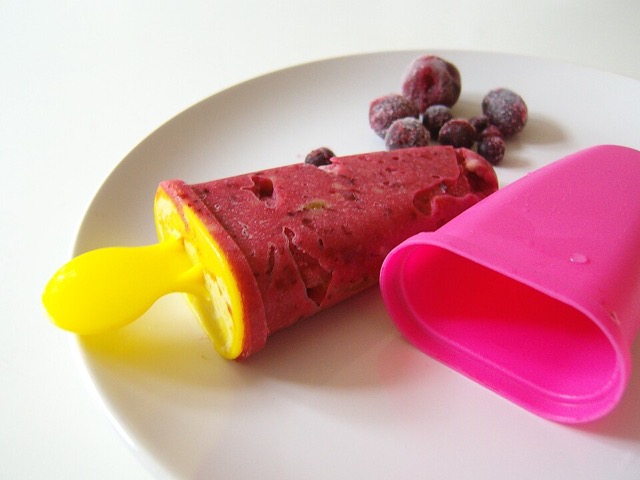

1. Juice goes into the freezer (−18 °C).
2. The lolly goes to the park on a hot day.
3. A thermometer goes into a cup of melting ice.
4. The melted juice goes back into the freezer.
Frame 1 caption. Juice goes into the freezer (−18 °C). (2)
Frame 2 caption. The lolly goes to the park on a hot day. (2)
Frame 3 caption. A thermometer goes into a cup of melting ice. (2)
Frame 4 caption. The melted juice goes back into the freezer. (2)
Check your answers to part A
Frame 1 caption (2)
- The juice freezes (turns from liquid to solid) (1)
- Because the freezer is colder than 0 °C (the freezing point of water) (1)
Frame 2 caption (2)
- The lolly melts (turns from solid to liquid, it drips) (1)
- Because it is warmer than 0 °C (heat from the sun and the warm air) (1)
Frame 3 caption (2)
- The thermometer reads 0 °C (1)
- The temperature stays at 0 °C while the ice is melting (1)
Frame 4 caption (2)
- It freezes into a solid lolly again (1)
- Melting and freezing are opposite changes (the change can be reversed) (1)
- Accept "it is a reversible change".
Part B: fill the gaps (2 marks) 3 min
Gaps. Copy and complete: “Ice melts at ______ °C, and water freezes at ______ °C.” (2)
Check your answers to part B
Gaps (2)
- 0 (melts) (1)
- 0 (freezes) (1)
- One mark for each gap. Melting and freezing happen at the same temperature.